Twin Oaks Community
|
Click Here to view the Twin Oaks Image Gallery Tofu business website Hammocks business website |
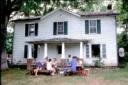
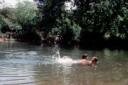
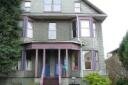
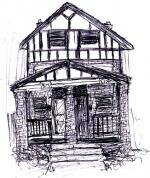
Since 1967, Twin Oaks has grown to over 85 adults and children on 400 acres in central Virginia. We're two hours from Washington, DC, one hour from the Blue Ridge Mountains. Our age and size mean both diversity and stability. We offer a wide range of facilities and social and cultural opportunities. Income work includes hammock-making, organic tofu production, book indexing, seed growing, and various other small cottage businesses. Other work includes our large vegetable and herb gardens, dairy cows and cheese making, and several dozen other smaller work areas. Twin Oaks Community Community website www.twinoaks.org |


 paxus:
 Originally posted on Power for the People VA:


 Reblogged from narcissism for the dubiously modest:

- 1
- 2
- 3
- 4
- 5
- 6
- 7
- 8
- 9
- …
- next ›
- last »